中文简体
中文简体 English
 Deutsch
 italiano

The Softest Silk Fabric: How to Choose, Compare, and Spec It for Production
An apparel buyer once sent us a reference charmeuse swatch and asked for a match. The colour was easy; the hand feel was not. One silk satin felt rich and fluid, the other thin and papery, even though both carried the same "100% mulberry silk" label. The difference came down to continuous filament quality, weave density, and finishing. That is the practical reality behind the question of which silk fabric is the softest.
Quick conclusion for buyers: mulberry silk in a charmeuse (satin) construction, usually 22–30 momme, with complete degumming and a low-friction finish, delivers the softest silk fabric for apparel. For lighter garments, 19 momme charmeuse is still very soft; below that, the hand feel loses its plushness.
Content
- 1 What Decides Whether a Silk Fabric Feels Soft
- 2 A Practical Comparison of Common Silk Weaves
- 3 Hidden Metrics That Separate Soft Silk from Ordinary Silk
- 4 Where the Softest Silk Fabrics Are Typically Used
- 5 How to Spec the Softest Silk Fabric for Production
- 6 Care and Compliance: Keeping Soft Silk Soft
What Decides Whether a Silk Fabric Feels Soft
Softness is not one property. It is a combination of fibre geometry, weave surface, fabric density, and the chemicals used at the finishing stage. Four factors matter most.
Fiber type and purity
Mulberry filament silk is continuous, round and uniform, which gives the smoothest surface. Tussah, eri and noil silk use shorter or irregular fibres; they feel more textured even after finishing. Start with 100% mulberry filament if softness is the goal.
Weave structure
Satin weave floats yarns over four or more interlacing points, creating long, unbroken surface areas. Charmeuse is this weave. Habotai and organza are plain weaves, crisp and open. Crepe de chine uses high-twist yarns, so the surface has a dry, pebbly texture.
Momme weight
Momme measures density. Sixteen feels lean; 19 is the everyday standard; 22–25 feels plush and close-woven; 30 feels substantial but less fluid. For a gently clinging, soft charmeuse, 22–25 momme is the sweet spot.
Finishing chemistry
Raw silk contains sericin, or silk gum. Degumming removes it; incomplete degumming leaves a rough handle. Some mills mask quality with heavy softeners. Specify a degumming weight-loss percentage and ask which auxiliaries are used, because softeners wash out and change hand feel over time.
A Practical Comparison of Common Silk Weaves
The table below summarises how the main silk weaves differ when a buyer needs a soft, production-ready fabric.
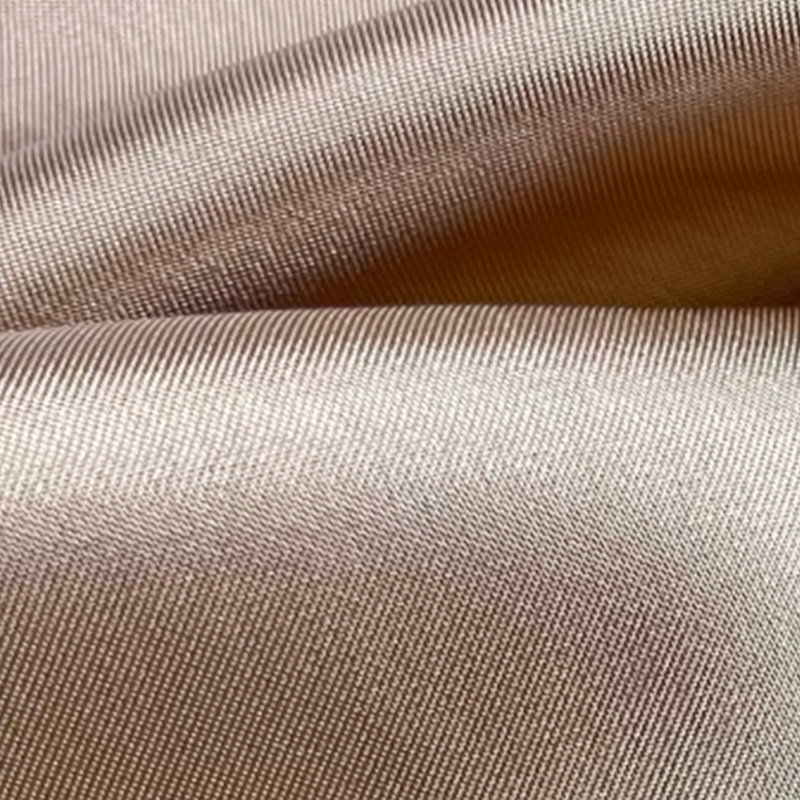
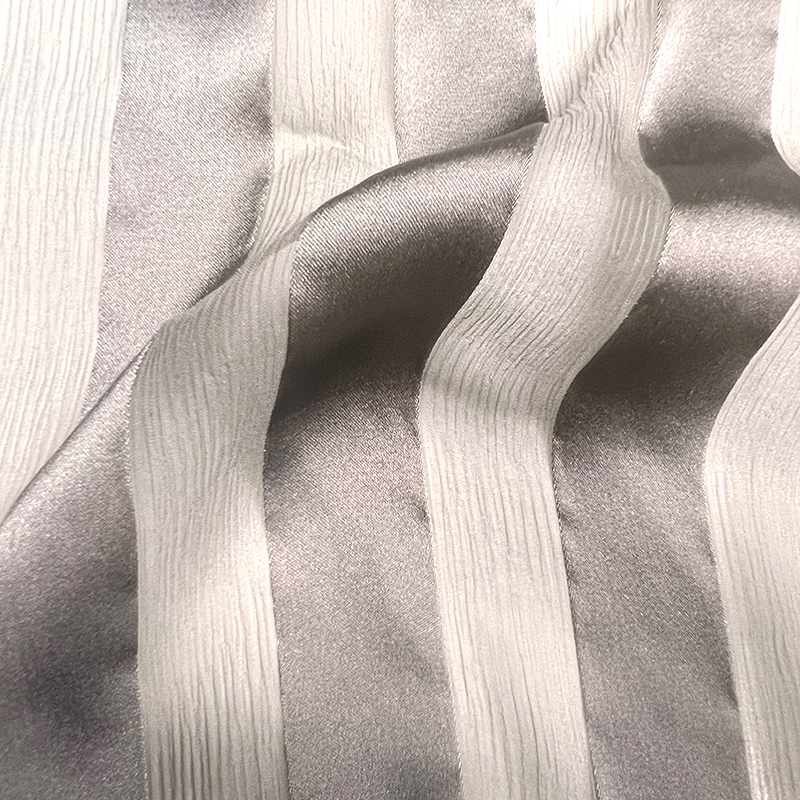
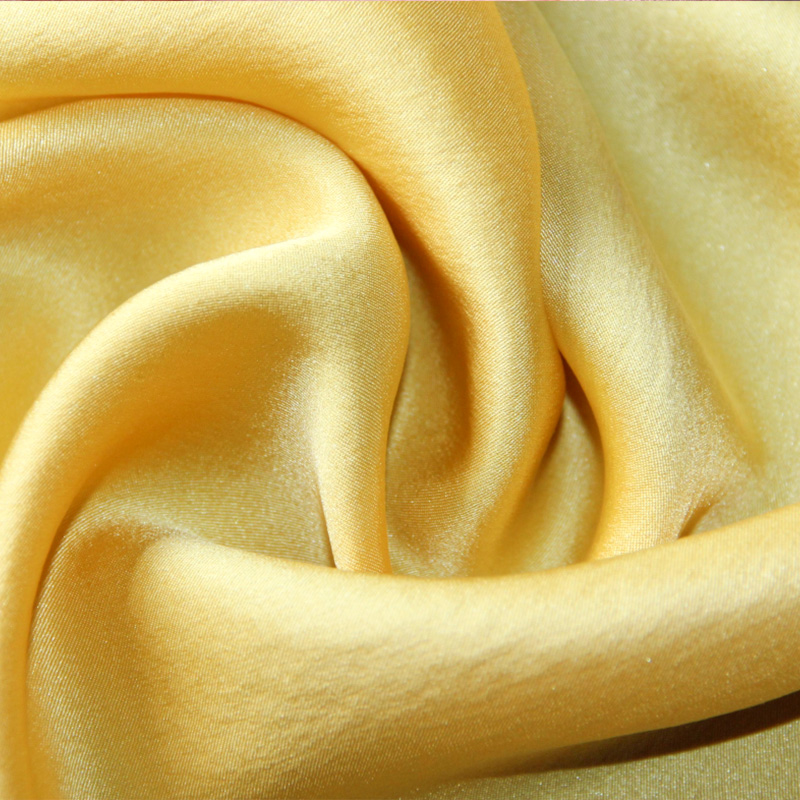 Satin Mulberry Silk Fabric and Silk Blend Options This satin weave offers a smooth initial hand feel, ranking well on the softness index. It suits buyers seeking a soft, production-ready silk for garments. View Product →
 Hidden Metrics That Separate Soft Silk from Ordinary Silk
Most product sheets list fibre content, weight and width. They rarely mention why two mulberry silks feel different. The chart below is a softness index used during sourcing; higher numbers indicate a smoother initial hand feel.
Momme weight explains most of the difference. At 16 momme, charmeuse feels thin and skin-tight. At 19 momme it becomes a dependable soft mid-weight. At 22–25 momme, density and smoothness converge: the fabric feels plush, close-woven and calm against the skin. At 30 momme, it is luxuriously substantial but no longer light and fluid. Buyers choosing between these weights should define the target garment first.
Fiber length is the second hidden metric. Continuous filament mulberry silk is the smoothest option; spun silk or noil silk are processed from short fibres and give a napped, warm, slightly rougher surface. They can be soft in a fluffy way, but they cannot reproduce the flat, mirror-like surface of filament charmeuse.
Finish is the third metric. Sandwashing adds a peach-fuzz nap by modifying the surface, but it lowers lustre. A well-degummed, un-softened silk is the honest baseline; heavy softeners may feel luxurious on day one and wash out quickly.
Where the Softest Silk Fabrics Are Typically Used
In apparel sourcing, the softest silk fabrics cluster in a few categories: fluid blouses and slip dresses, lightweight scarves, sleepwear and lingerie, and linings for luxury jackets. The proportions below reflect typical orders from ready-to-wear programs rather than official industry statistics.
- Blouses and slip dresses – 35%
- Scarves and lightweight accessories – 25%
- Sleepwear and lingerie – 20%
- Luxury linings – 15%
- Other soft-touch pieces – 5%
Charmeuse suits garments that should skim the body without clinging too hard. For a stiffer, more breathable blouse or a lining application, 19 momme plain-woven mulberry silk is a practical alternative, while crepe de chine provides texture without sacrificing float. Each weave changes both the perceived softness and the way a garment falls on the shoulder.
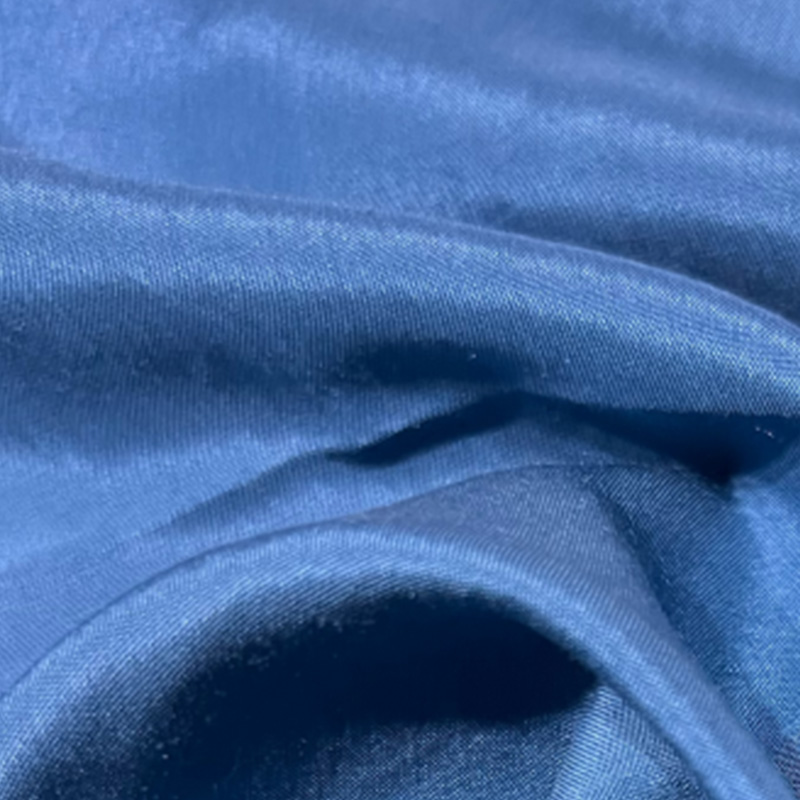
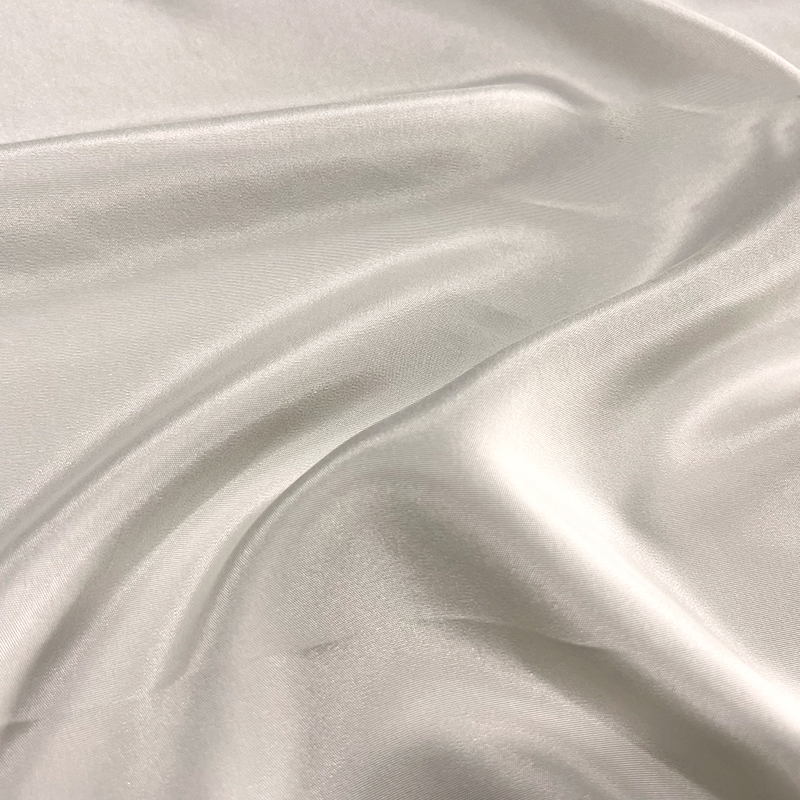 Plain Mulberry Silk Fabric and Blend for Structured Garments A practical 19 momme plain-woven mulberry silk alternative, more breathable and stiffer than charmeuse. Recommended for blouses or lining applications. View Product →
 How to Spec the Softest Silk Fabric for Production
A reliable spec sheet reduces sampling rounds. Use this sequence next time you brief a mill.
1. Lock the hand feel
Describe the target clearly: fluid and silky, crisp and light, or soft with a dry touch. This drives every later decision.
2. Choose fibre and weave
Use 100% mulberry filament for the softest baseline, then choose charmeuse for smoothness, plain weave for lightness, or crepe for a textured surface.
3. Set momme and tolerances
Specify a narrow range such as 22 ± 1 momme. Include acceptable shrinkage, usually 3–5% for apparel silk, and request the test method in advance.
4. Agree finishing and compliance
Confirm degumming, softener type, pH, colour fastness and restricted-substance documents before bulk production.
5. Sample, test, then bulk
Ask for a full-width reference sample, not only a small swatch. Test seam slippage, drape and washing behaviour, then keep a sealed production sample.
During the sample stage, ask for a full-width reference sample, not only a small swatch. Test seam slippage on a lining application, measure shrinkage after a gentle wash, and keep a sealed production sample. If a pure mulberry filament silk exceeds your cost envelope, review the blend options in our silk and blend range before changing weave; a modest blend of silk with Tencel or cupro can reduce cost while holding softness.
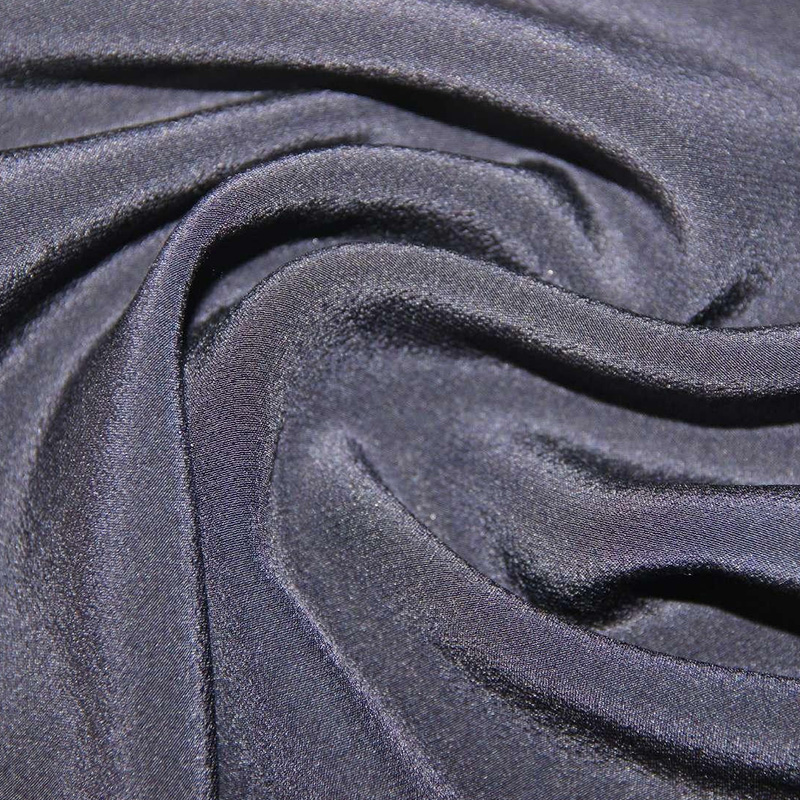 Crepe Mulberry Silk Fabric and Silk Blend for Durable Softness Crepe mulberry silk maintains softness when properly degummed and finished. Consider blends with Tencel or cupro to reduce cost while preserving handle. View Product →
 Care and Compliance: Keeping Soft Silk Soft
Finishing and maintenance
Softness is not permanent unless construction and finishing are right. A well-degummed, correctly weighted silk keeps its handle; a heavily weighted or over-softened one can become brittle or sticky after laundering.
- Wash at or below 30 °C on a silk or delicates cycle.
- Use a pH-neutral or silk-specific detergent; avoid chlorine bleach and fabric softeners.
- Do not wring; roll in a towel and dry flat in the shade.
- Iron at medium-low temperature with steam on the wrong side.
- Store folded in a cotton bag, away from direct light and insects.
Our care guide for luxury mulberry silk explains the routine in more detail.
Compliance for European and North American markets
Buyers will request REACH-compliant dyestuffs, AZO-free test reports and restricted-substance documentation. Mills that work with Bluesign-certified dye houses simplify that audit. For sustainable lines, GOTS organic silk and GRS recycled silk provide third-party traceability; both are available for the soft charmeuse constructions discussed above.
The softest silk fabric is not a mystery; it is a reproducible specification. Start with mulberry filament, choose a satin or charmeuse construction, set a realistic momme range such as 22–25 for apparel, and verify finishing and certification before bulk production. The mills that can document all four and still move quickly from sample to repeat order are the ones worth a long-term relationship.
 post précédent